National Hockey League (NHL)
Hockey turns over faster than any other major sport. A backup gets the start, a top-six winger drops to the third line, and the numbers you looked at in the morning no longer describe the game you are about to watch. This section pulls together the pieces that move before puck drop: confirmed goalies, forward and defense pairings, projected fantasy output, and the betting markets built on top of them. Everything below is updated through the 2026-27 season.
 NHL Starting Goalies
 NHL Team Line Combinations
 NHL DFS Projections
 NHL Schedule
 NHL Standings
 NHL Offense Rankings
 NHL Defense Rankings
NHL Data and Tools
The goalie board is the first stop on a game day. Teams rarely name a starter far in advance, so it tracks morning skate reports and confirmations as they land, which lets you check who is in net tonight before the market has fully adjusted. Next to it, the line pages show which forward trios and defense pairings each club is rolling, power play units included, along with any shuffling that follows an injury.
For fantasy and daily contests, the model turns that deployment into projected output for every skater and goaltender on the slate. Ice time drives almost everything in hockey scoring, so a player moving up a line matters more than his season average suggests.
Around the daily tools sit the season-long views. You can work through the full slate of games with dates and start times, see where each club sits in the playoff race, and compare how teams stack up across the league on the metrics that separate contenders from the rest. The defensive side gets its own view, so you can identify the clubs giving up the fewest quality chances, which is often the faster read on whether a total is priced too high.
NHL Odds and Futures
Game-level markets in hockey are tighter than in football or basketball. Most nights the moneyline sits inside a narrow band, the puck line is fixed at 1.5 goals with the price doing the work, and the total hovers around six. That compression is why lineup information carries weight here, since a single goalie change can shift a total by half a goal. The market board for tonight's games lets you toggle between moneylines, puck lines and totals, while the daily selections from our analysts explain where the model sees a gap between price and probability.
Longer patterns are worth tracking too. Home and road splits, performance on the second night of a back to back, and how a club holds up as a favorite all show up in the historical trend data.
On the futures side, the championship market opens in the summer and moves all season. You can follow the title race prices alongside each club's chances of reaching the postseason, and compare the two conference markets, the regular season point totals and the individual trophy races in the list below.
Odds and Picks
Season Futures
Latest NHL News and Analysis
Injuries, trades and goalie carousels all change how the numbers above should be read. Our writers cover those stories as they break, and the full hockey archive holds previews, season outlooks and betting breakdowns.
Check out the best NHL goal picks today for games on Tuesday, October 6 with Svechnikov, Dorofeyev and Snuggerud as best bets.

Our Week 2 NHL Stanley Cup Power Rankings break down the contenders and pretenders — plus Pittsburgh's hot start.

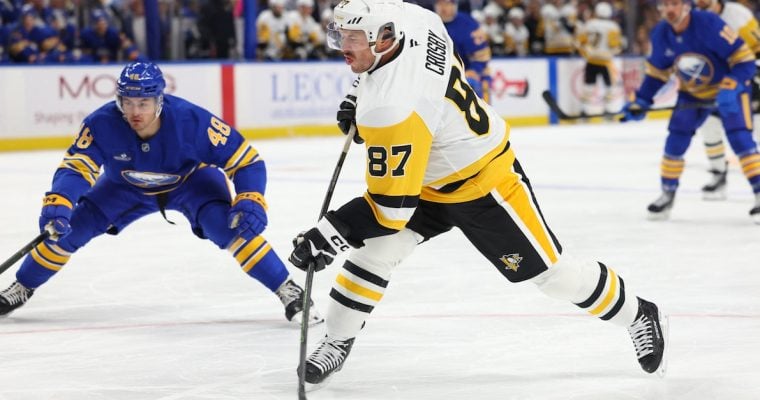
Check out the best NHL goal picks today for games on Monday, October 5 with Brandon Hagel, Sidney Crosby and Tyler Seguin as best bets.
Where to Bet on the NHL
Pricing on hockey varies more between operators than it does on the bigger US leagues, particularly on totals and player props, so having more than one account is worth the effort. We review the licensed operators that cover hockey in the United States, including market depth, live betting quality and how quickly they post lines.
2026-27 NHL Season Key Dates
| Milestone | Date |
|---|---|
| Opening night | Tuesday, September 29, 2026 |
| Regular season games per team | 84 games |
| Trade deadline | Monday, March 1, 2027 (reported; pending NHL confirmation) |
| Final day of the regular season | Saturday, April 10, 2027 |
| Stanley Cup Playoffs begin | April 2027 (exact date TBA) |
| Stanley Cup Final | June 2027 (exact dates TBA) |
How to Use NHL Lineup Data Before Puck Drop
Hockey lineups do not work the way lineups work in other sports. A starting five in basketball describes most of the game. A hockey line describes roughly a third of it, and the rest is decided by matchups, shift length and how a coach reacts once play starts. What follows is how to read the data without overreading it.
The goalie is the single biggest variable
No position in team sport carries as much weight per player. A starter with a strong save percentage against a backup making his fourth appearance of the season is the kind of gap that shows up directly in the total and the moneyline. Confirmations usually arrive after the morning skate, but plans change late, and an unconfirmed starter is a reason to wait rather than a reason to guess.
Line placement matters more than raw production
A forward's scoring rate is mostly a function of who he plays with and how often he is on the ice. Move a winger from the third line to the first and his opportunity changes before anything about his ability does. That is why a player who looks modest on the season line can be a strong play on a given night, and why the reverse holds when a top-six regular is bumped down.
Power play units concentrate the scoring
A large share of goals come with the man advantage, and the first unit absorbs most of that time. Checking which players are on PP1 tells you more about point upside than the even strength chart does, especially in daily fantasy, where a single power play goal with two assists pays three players at once.
Treat projected lines as a starting point
Coaches blend lines mid game more freely in hockey than in any comparable sport. A trailing team in the third period will not look like the chart posted at noon. The value of the pregame view is in what it says about intent: who the coach trusts, who is being sheltered, and who gets the first look on the power play.
NHL FAQ
There is no league-wide rule. Most clubs signal a starter after the morning skate, several hours before the game, and some confirm only at warmups. Our board updates as reports come in and flags whether a starter is confirmed or projected.
They are refreshed on game days and whenever a club changes its deployment, which in practice means after most practices and any significant injury news.
Goalie confirmations move markets noticeably, particularly totals. Skater line changes have a smaller effect on game markets but matter a great deal for player props and daily fantasy, where ice time drives the outcome.
The moneyline is a straight bet on the winner. The puck line is hockey’s version of a spread, fixed at 1.5 goals, so a favorite has to win by two or more while the price moves instead of the number.
The odds board covers every game on the slate with moneylines, puck lines and totals, and it sits alongside the day’s picks and the historical trend data.